Where Two or Three are Gathered
Faith Formation in Small Groups
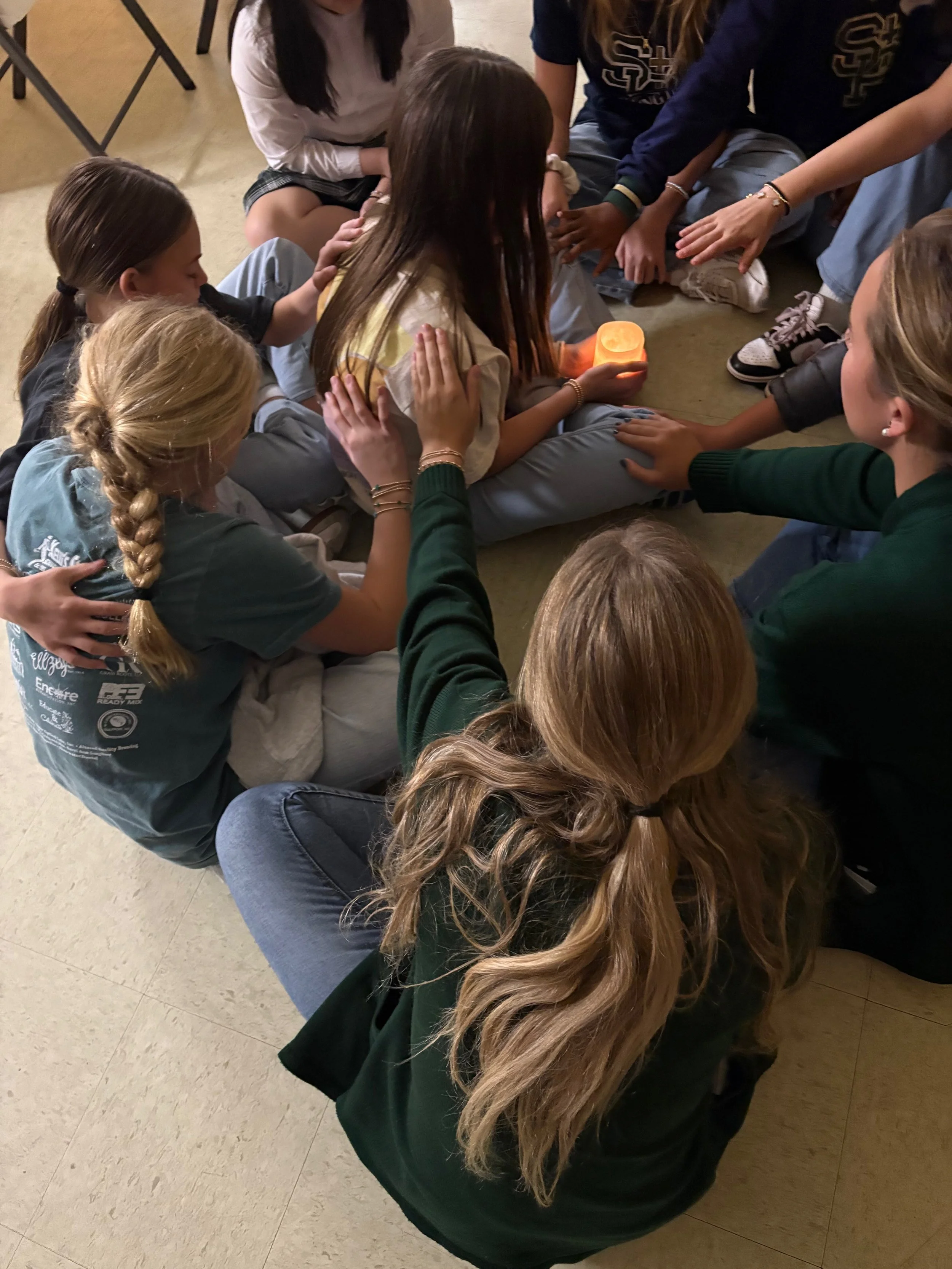
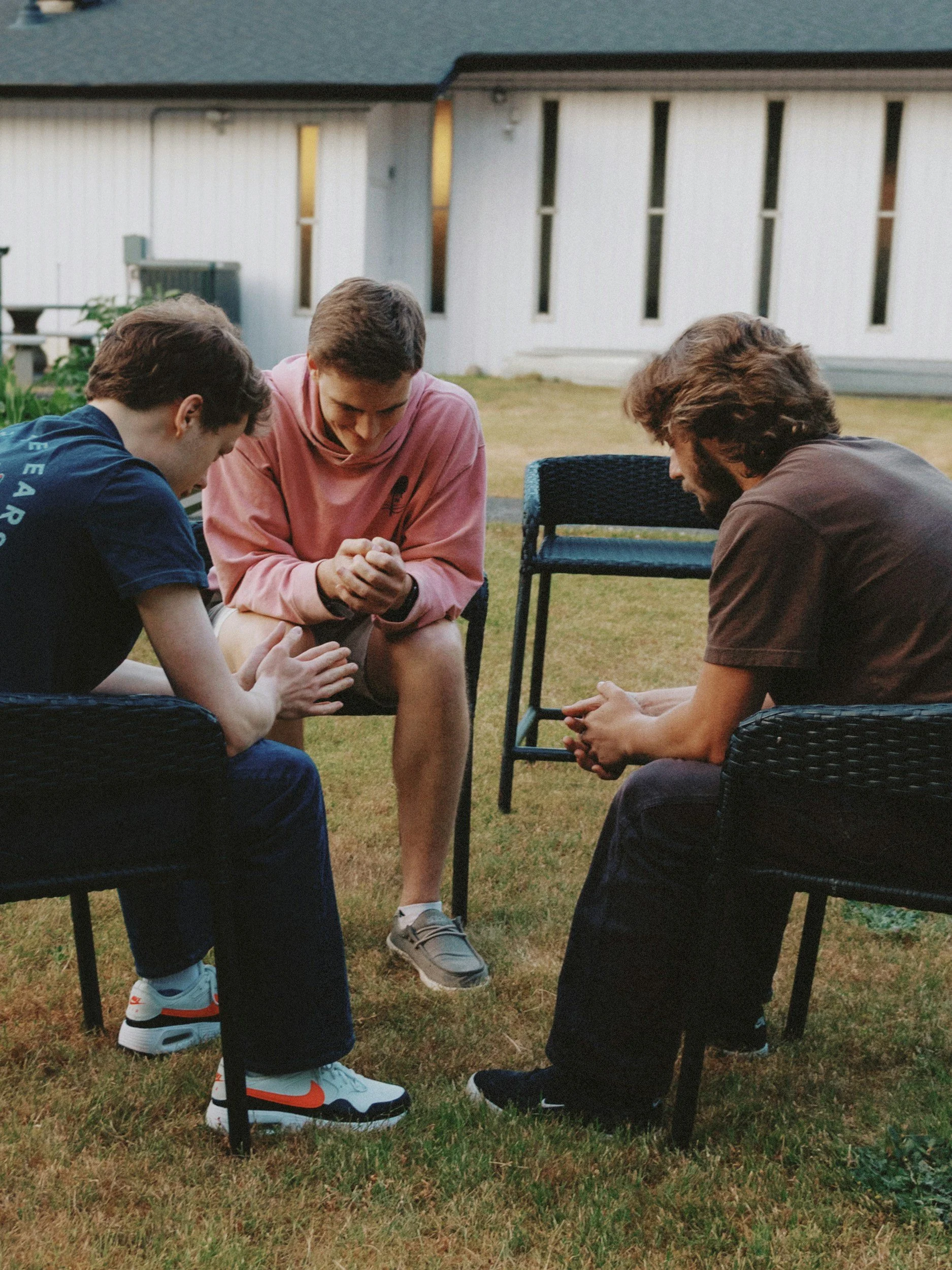
Jesus said, “Where two or three have gathered together in my name, I am there in their midst” (Matthew 18:20). Jesus didn’t say that ministry would be best in large groups. He encouraged small groups of believers to come together. Jesus had an inner circle. Peter, James, and John were the three that He chose to take when He went to the mountain for the Transfiguration. Jesus models what works best and is possible in our schools - trusting, intentional, and authentic communities.
Small group ministry is vital to relational ministry. I’ve noticed a trend over the past couple of years of small group programs starting and being encouraged in parishes: the Rescue Project, Quads, and Alpha are some examples. I’ve seen the value of small group ministry in my own family. My husband participated in a men’s Exodus 90 group. It was an excellent program designed for small groups of men to grow in faith through prayer, asceticism, and fraternity. I have explored the Rescue project with the Leadership Team of which I am a part of at school. While these programs are designed for parish-based groups, they provide insight to the value of small group faith groups. In a small group of like-minded people, trusting relationships form more naturally, which leads to greater vulnerability and deeper, faith-centered conversation. These are the types of conversations that students crave — honest, authentic, and meaningful. In this way, students accompany one another as they grow in faith together.
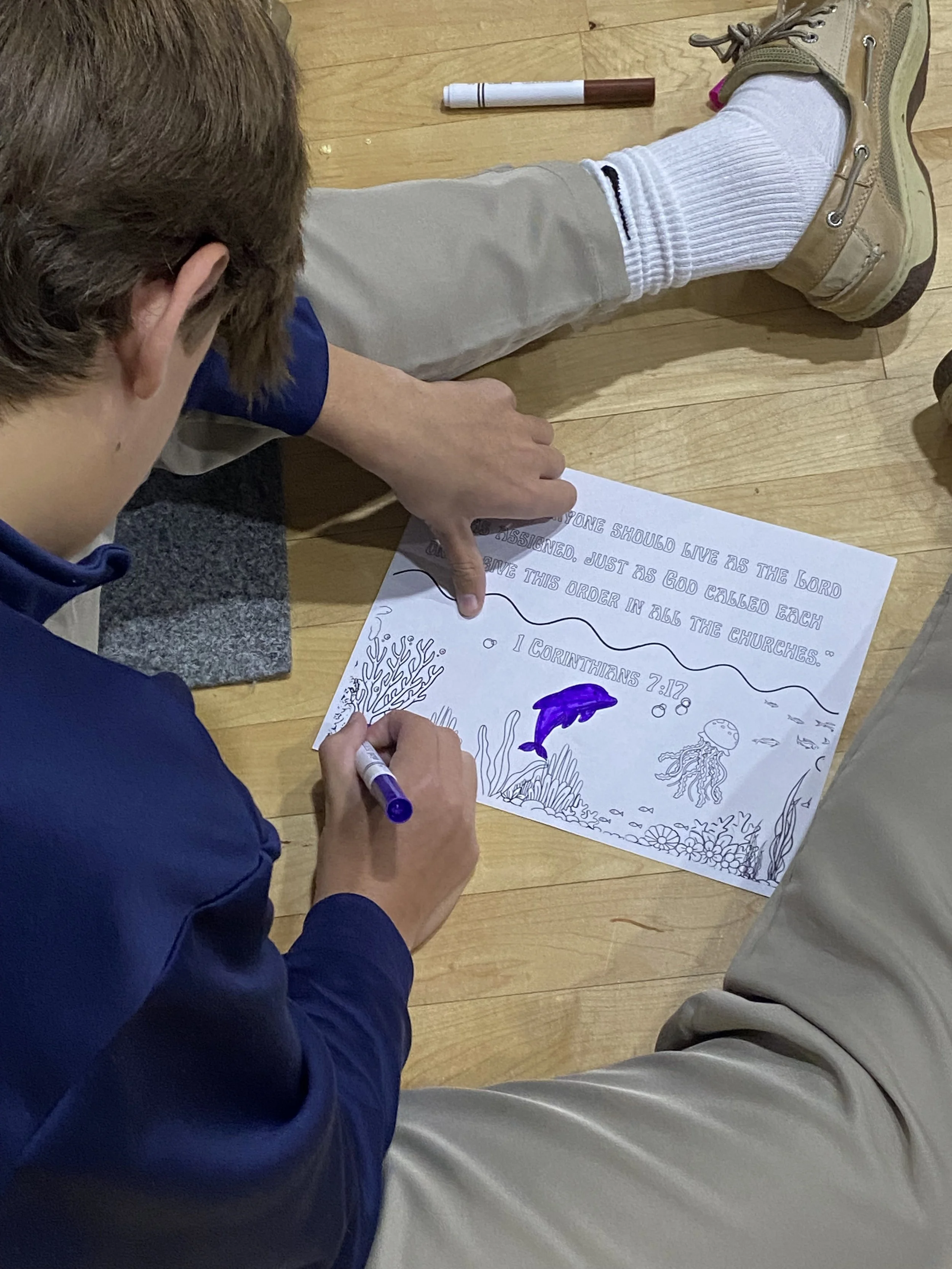
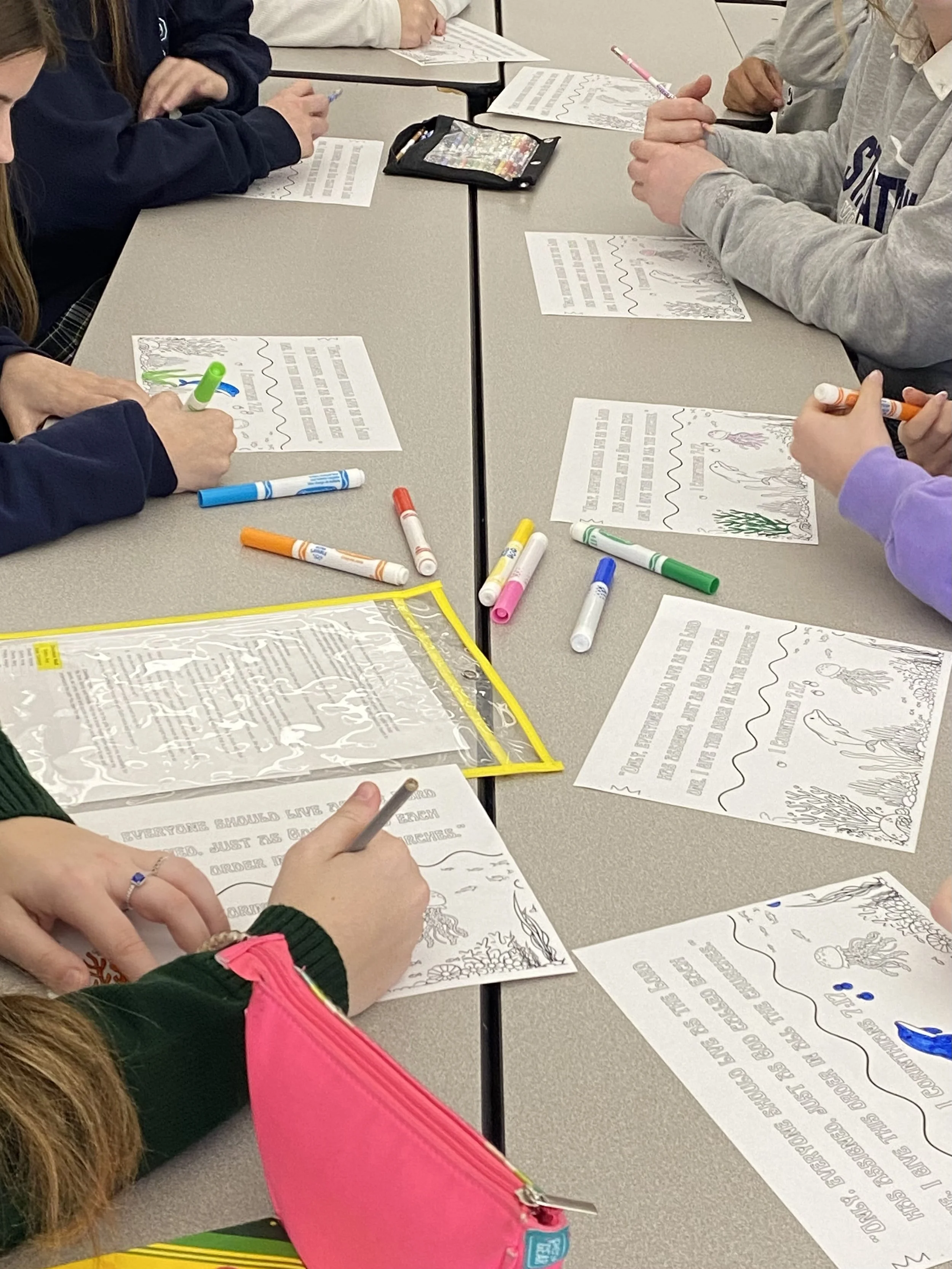
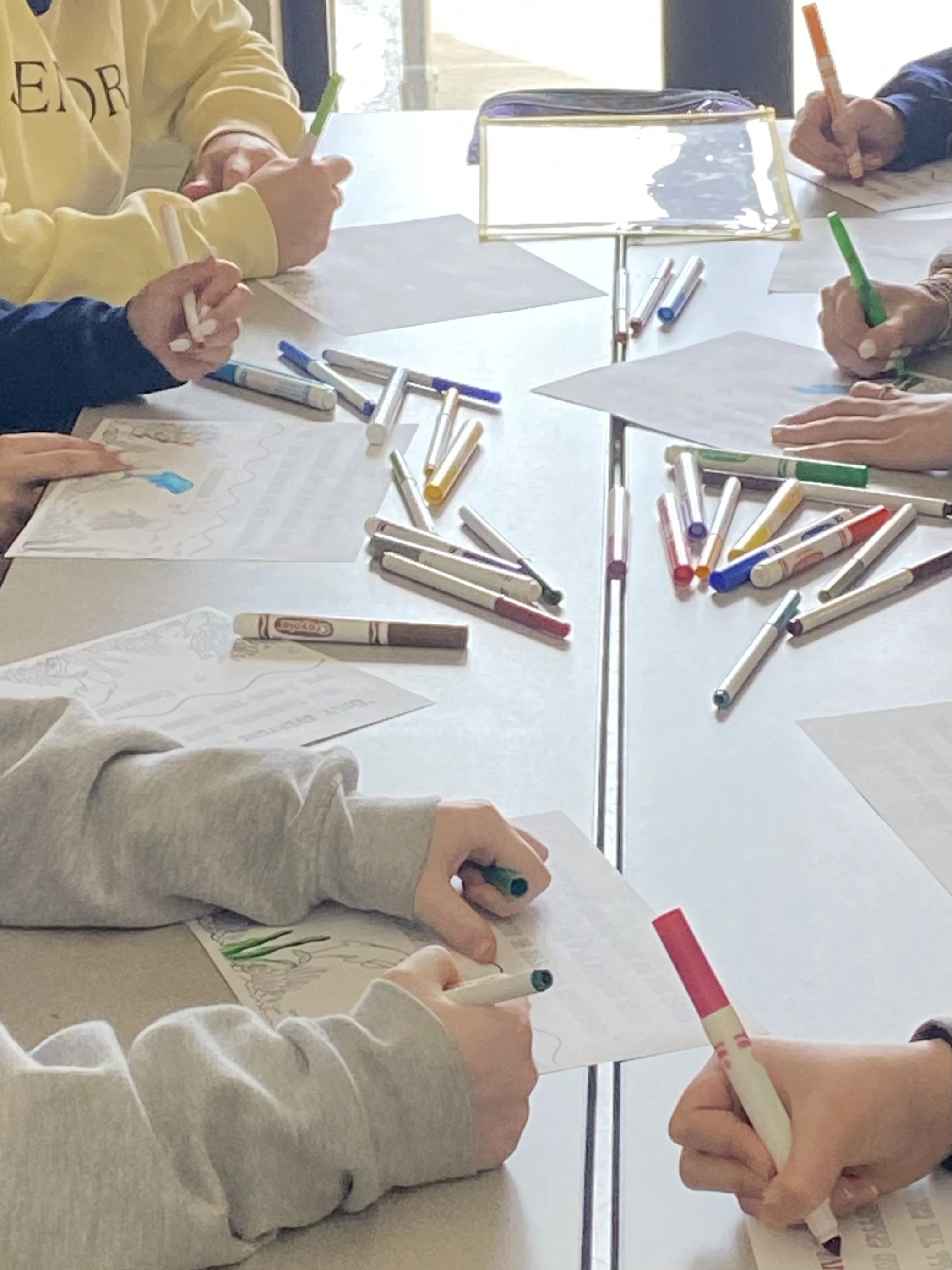
When I left parish youth ministry to pursue a career in teaching, I was inexperienced in the classroom setting. I leaned on what I knew. In youth ministry, small group time was one of the most important points of our time together. This concept translated naturally into the classroom. In small groups, students could process together by discussing the main points of the topic with guided questions. Good teachers utilize small groups for discussions and activities or projects. I personally like to have my students break into groups and reflect on sacred art or scripture. I am always inspired when listening to their conversation as they become more open to talking about matters of faith.
Small group ministry can be a very effective form of faith formation in Catholic high schools. Several years ago, our Diocesan Bishop mandated that all schools – elementary and high schools – develop a small group program. At the time, I was very overwhelmed by this daunting task. With over 600 students in our Catholic high school spanning grades 7-12, I honestly didn’t know where to begin.
Then, I attended our Diocesan youth conference and witnessed our Diocese youth leaders utilizing small groups in the large conference setting by using color-coded wristbands and signs pointing students in the right direction. This was a lightbulb moment for me. I realized that clear, visual organization could simplify what seemed to be a complicated process of small groups on a large campus.
Practical Tips for Effective Small Groups in High Schools:
Here are some practices that have helped our small group ministry not only function, but thrive.
Use peer ministers -
Why? - Students are more likely to engage in authentic conversations with peers whom they trust and look up to as mentors and who model joyful discipleship.
How? - Small group leaders are selected from grades 10, 11, and 12 based on teachers’ recommendations. Teachers are sent a Google Form and asked to select “x” number of boys/girls in these grades who are faithful and comfortable talking about their faith and who other students would respond to positively.
2. Group students -
Why? - Pre-selected groups allow for a smoother transition and gives you the ability to separate those students who would not be best suited together.
How? - In order to be effective, groups should be no more than 10, including 1-2 peer ministers. Our current students are mixed as follows: 7th and 8th - led by seniors and juniors; 9th and 10th - led by sophomores, and 11th and 12th - led by juniors or seniors. Teachers can help with creating effective small groups in each class or an online random group generator can be helpful.
3. Designate meeting spaces -
Why? - Knowing where to go will allow for quick and easy transition into groups. Teachers and staff can monitor students more easily knowing that all eighth grade boys are in the cafeteria, for example.
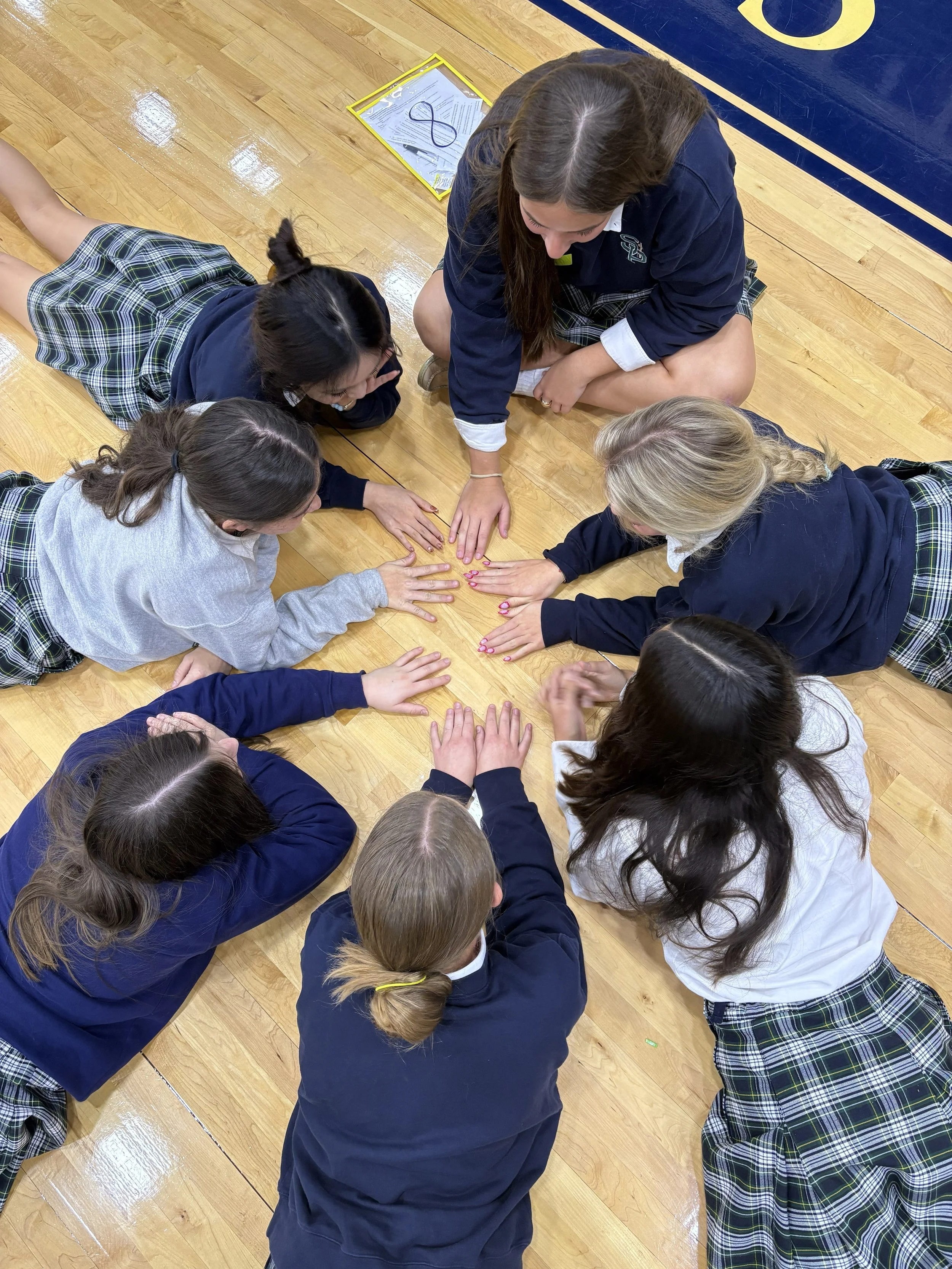
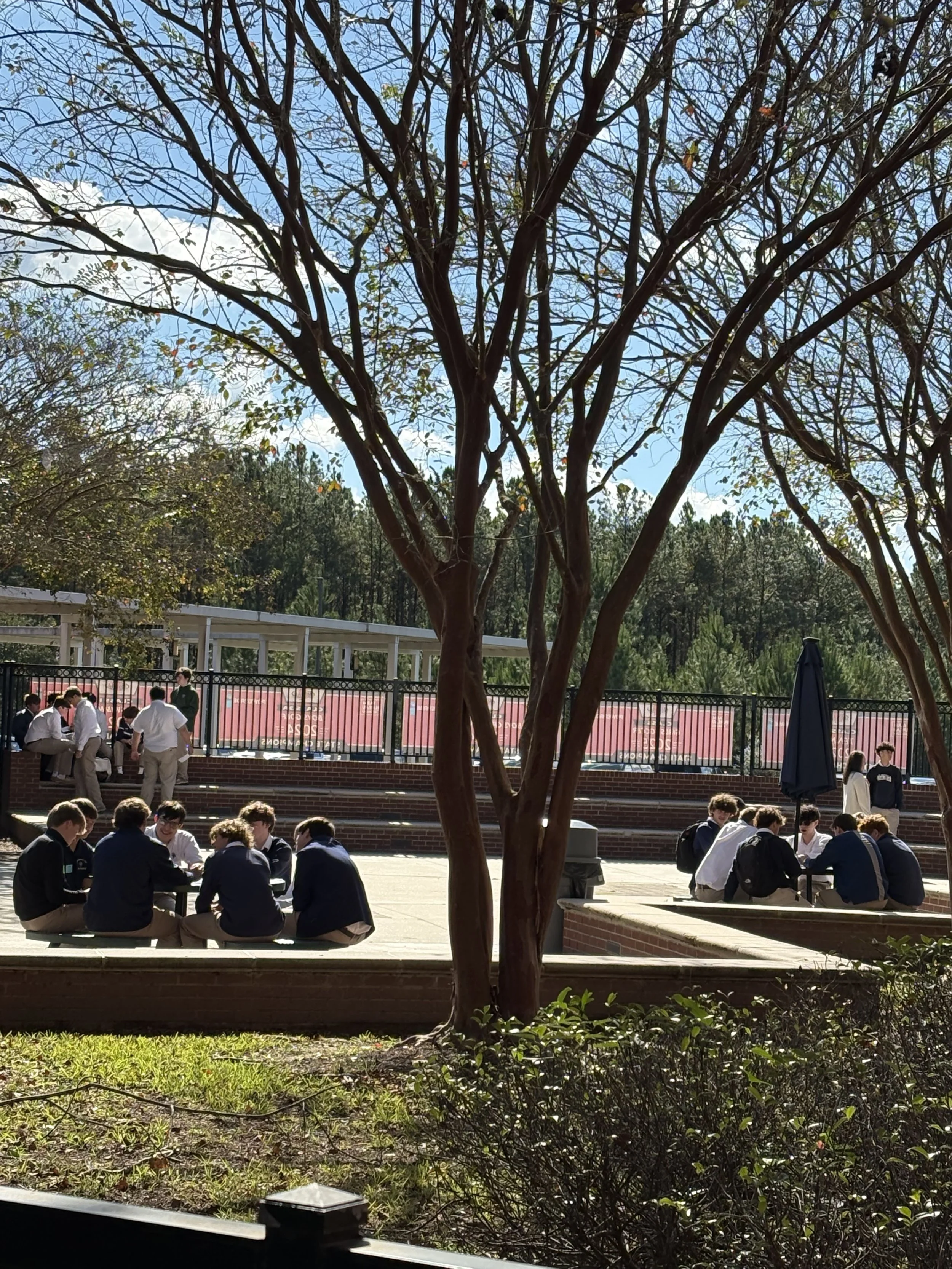
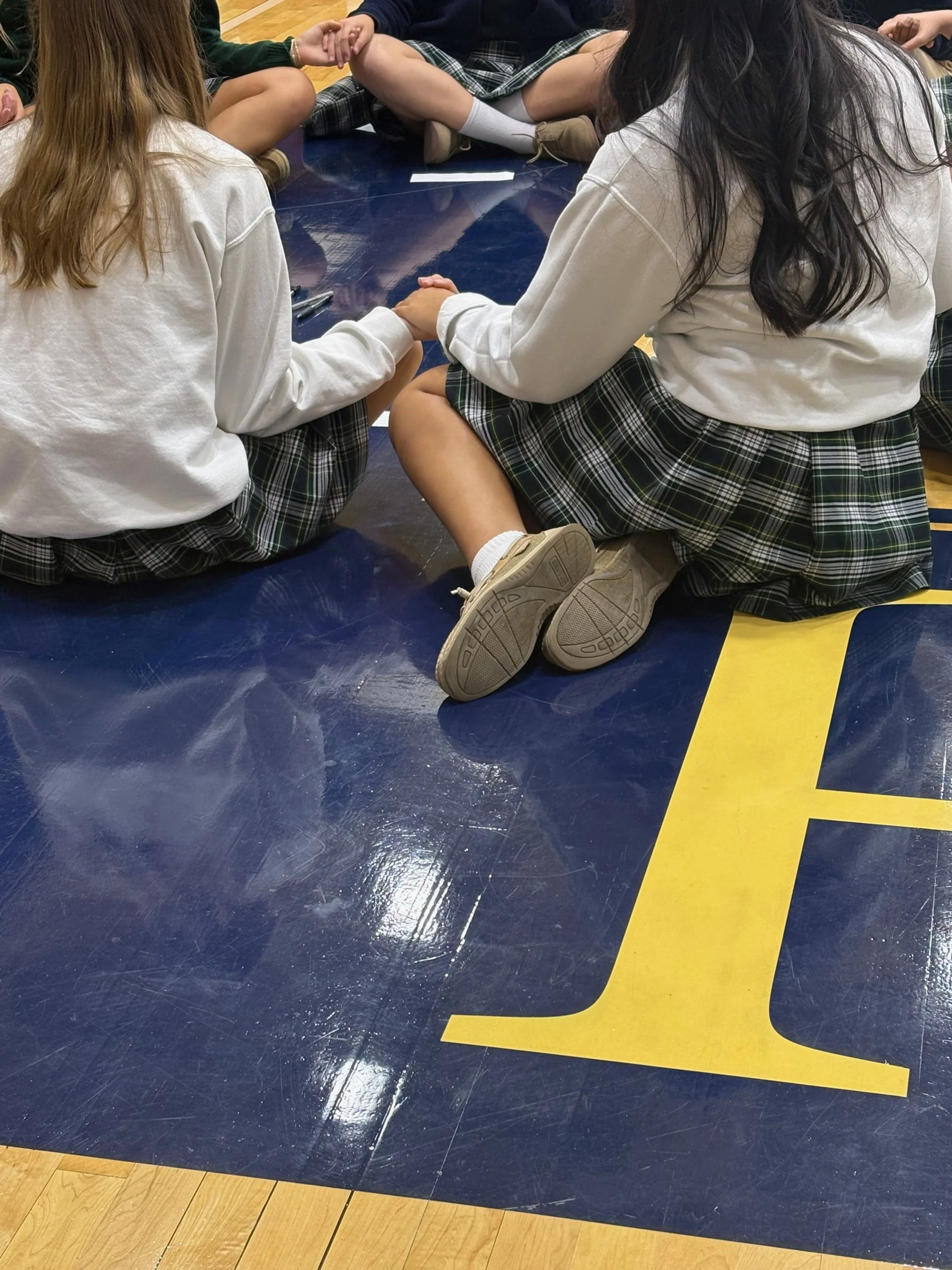
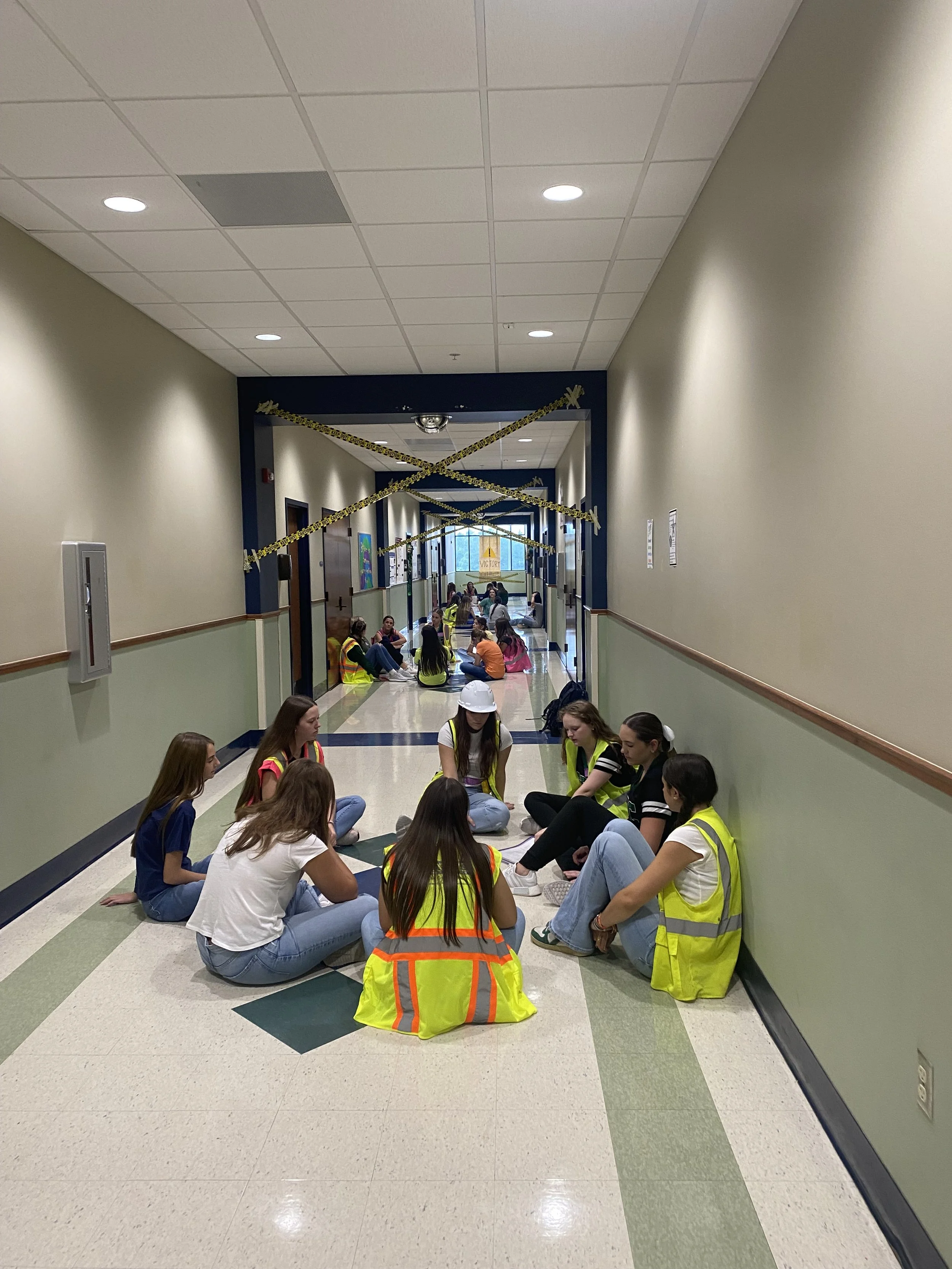
How? - Think outside the box — and outside the classroom. We do not use classrooms for small groups so as not to disrupt teachers’ spaces. Rather, small groups of students sit all throughout the school: in hallways, in the cafeteria, on the gym floor, and in the courtyards. Each type of group is designated an area to meet. For example, the 9th and 10th grade boys meet in the courtyards, while the 9th and 10th grade girls meet in the gym.
4. Mobilize teachers -
Why? - While peer ministry is extremely effective when it comes to leading faith discussions and mentoring other students, these leaders are not meant to discipline their peers.
How? - Teachers are assigned 1-3 groups to monitor. The teacher’s presence does not overshadow student leaders, but rather empowers them.
5. Map it out -
Why? - A visual system reduces chaos and anxiety for students and increases safety if a student is needed for early check-out or any other reason.
How? - Create a map of the campus and color code each section of the school. For example, the courtyards are colored green and the gym is pink. The upstairs hallway is orange, while the downstairs hallway is purple. Each group leader holds up a card with the number of their group written in bold.
6. Be clear and consistent -
Why? - Small groups are only effective if trusting relationships are formed which will only happen if the groups stay the same each time they meet.
How? - Students receive colored name tags on the day that small groups will meet. The color of the name tag matches the color on the map and includes the students name, group number and location to meet. For example: John Smith, Group 2, North Courtyard. This student will meet with this same group in this same location for the entire year.
Additional Tips:
Name tags are an easy and effective way to get students where they need to be for small group sessions, but creating these are extremely time consuming. Once students are moving smoothly into their assigned groups, this practice can cease. At that point, emailing a master list and posting copies of groups throughout the school that week will suffice.
When it comes to grouping students, you may need to experiment with combinations of grade levels. I wholeheartedly encourage gender specific groups. Adolescent boys and girls with hormones will be more authentic if they are not faced with the opposite sex in their groups. They are likely to be more open and engaged if they are not trying to impress. With so many students facing questions about identity today, I believe that these types of groups should offer a safe place for students with as few pressures as possible.
What Didn’t Work for Us
In prior years, we used larger groups of 15-20 students with a variety of grade levels (7-12) present in each group. Groups included mixed genders, and teachers led the groups in the classrooms. This approach didn’t bear the fruit as hoped by our team. Students did not respond well and not all teachers were equipped to serve in this way.
Training Disciples to be Disciple-Makers
High school students can be extremely effective faith leaders if trained properly. Before each small group session, all peer ministers attend a 30 minute training with me where they are given the theme of the session and review the questions together. Leaders also receive troubleshooting tips for difficult members and practice responses to each question. Students often have group members who are very shy or overly “chatty.” In the case of shy members, it is helpful to remind leaders that building trust is the most important part of their role. It is vital that leaders learn each member’s name and get to know them outside of the group. For the chatty member, leaders may need to redirect by saying something like, “I would love to hear more about that later, but I also want to hear from others in the group.” The leader would need to make sure to circle back if there is time at the end or find that student on campus later to conclude the conversation. Good leaders ensure that each member feels seen and heard.
Small group ministry has been a very effective way for students to form trusting groups in which to discuss faith topics. Students have created lasting relationships rooted in Christ. They look forward to meeting and are able to grow deeper in knowledge of the faith together. When I started discerning how to form a small group ministry, there were minimal resources directed towards this type of ministry in a school setting. I relied on tried and true methods from my youth ministry days in the parish. However you decide to run groups in your school, make it fun and exciting so students will look forward to meeting and growing in faith. Jesus began His ministry in small circles of disciples. When we create those spaces of trust and intentionality in our schools, we give students a place to encounter Him in one another.
Don’t take my word for it - hear from some of my students:
“Irish Provinces (small groups) has impacted my faith so much in so many ways. First, as just a member of a small group, I was able to share things about my faith with other people. I felt like I was helping others to grow in their faith through what I was sharing in my group, as well as helping myself grow. Then, I became a peer minister (the group leader of my small group) and I believe this has impacted my faith even more! Hearing what the members of my small group say about their faith, I am always moved. I always have people to pray for in my group, which allows me to spend more time with the Lord. Irish provinces truly changed my faith for the better! It pushed me to spend more time in prayer, and more time reflecting on my faith.” - Stella D.
“In my past years throughout Irish Provinces (small groups) I have noticed that being in these small groups no matter who’s in them helps you make connections and better understand yourself and other people. It allows the chance to know people you would never have the opportunity to get to know outside of provinces and hearing other people’s thoughts and testimonies really makes everyone think and connect closer than ever.” - Ryan W.